

They re-coated our flat roof and the building runs noticeably cooler. Clean crew, fair price, no surprises.
TPO Membrane Roofers: Costs, Lifespan and Alternatives
Trusted Richmond District
Get Your Free
Roof Quote
Richmond District roofing work in Richmond District, San Francisco County — inspection, repair, replacement and coatings, quoted in writing and permitted where the work requires it.
1Richmond District Roofing and Your Policy
Denied Richmond District claims are more often than not reopened successfully when proper documentation is supplied the second time. Matching provisions in a policy matter on Richmond District tile roofs where the original profile is discontinued. A Richmond District adjuster works from the scope in front of them, which is why the contractor's report has to be thorough. That is as true in Richmond District as anywhere in San Francisco County. The majority of Richmond District claims that fail do so because the damage was cleaned up or patched before anyone photographed it. Supplements are normal on Richmond District claims once the covering is off and the deck is visible, and they should be raised with evidence rather than argued later.
Ask any Richmond District roofer what happens if the deck is worse than expected, and get the answer in advance of the covering comes off. That is as true in Richmond District as anywhere in San Francisco County. A roofing company who explains why a Richmond District roof failed is more use than one who only quotes to replace it. Check the CSLB licence number in advance of any Richmond District roofer starts, and confirm liability cover and workers' compensation are current.
2What Sits on Most Richmond District Roofs
Put simply, most roof coverings in Richmond District fall into three groups: original coverings near the end of their working life, replacements from the last two decades, and low-slope sections added later. A Richmond District property often carries more than one roof type — a pitched main house in one material and a flatter garage or addition in another. On most jobs, solar arrays on Richmond District roofs complicate replacement, and the panel age rarely matches the roof age. Realistically, where Richmond District buildings have been re-roofed twice, the next project is a tear-off regardless of what the property owner would prefer. Second-storey additions in Richmond District create a junction between old and new roof that needs proper flashing rather than sealant. This holds across San Francisco County. Additions and conversions are common in Richmond District, and the joint between the original roof and the newer section is where most leaks begin. San Francisco County is no different.
Full replacements in Richmond District generally require a permit through the San Francisco Department of Building Inspection, with an inspection once the the project is finished. Fire-zone properties around Richmond District carry assembly requirements that the permit will check against. On most jobs, inspection scheduling in Richmond District adds a day or two to the programme and should be in the contractor's timeline from the start. We see it on Richmond District roofs every week.
3Why Richmond District Roofs Age the Way They Do
On most jobs, fasteners are the weak point within a mile of the water in Richmond District; plated nails give out while the covering above them still has years left. On most jobs, fog drip in Richmond District delivers more damp than the rain gauge suggests, and it arrives nightly rather than in storms. Vents and caps corrode faster than the roof in Richmond District, and replacing them during a re-roof costs almost nothing. Ponding on a Richmond District low-slope roof dries slowly in marine air, which gives the membrane a harder life than the rainfall total suggests. That is as true in Richmond District as anywhere in San Francisco County. Wind-driven rain in Richmond District arrives sideways, so laps and headlaps do the work that gravity does on a sheltered roof.
Put simply, phasing a large Richmond District building across two seasons is often cheaper than financing the whole job at once. Realistically, financing makes sense on a Richmond District roof that is actively failing; it rarely makes sense on one with years of life left. We see it on Richmond District roofs every week. In practice, a Richmond District quote that comes in far below the others is generally missing the flashing, the permit or the disposal. It is the same story on most Richmond District streets.
4Roofing Materials That Suit Richmond District
Synthetic composite has become a credible option in Richmond District where the look of slate or shake is wanted without the weight or the fire risk. Realistically, composition shingle is the most common covering in Richmond District and the cheapest to renew, but it is also the first to show UV damage. Silicone coatings hold up well on Richmond District roofs that pond slightly, where acrylic would not. Flat and low-slope sections in Richmond District need a membrane or a coating system, not shingle laid at a pitch it was never designed for. Put simply, underlayment choice matters more than covering choice on a Richmond District tile roof, because that is the layer doing the waterproofing. This holds across San Francisco County.
Put simply, fasteners are the weak point within a mile of the water in Richmond District; plated nails give out while the covering above them still has years left. Roofs near the water in Richmond District corrode from the fixings outward. The shingle can look sound while the nails holding it have lost half their section. San Francisco County is no different. As a rule, gutters on Richmond District properties corrode from the inside, and the first sign is usually staining on the fascia rather than a visible hole.
5Choosing a Richmond District Roofing Contractor
On most jobs, documented scope, itemised price and a written warranty are the minimum on any Richmond District job. Worth knowing before you sign anything. Realistically, local experience matters in Richmond District given that the failure modes here are high temperatures, wind and drainage rather than snow and ice. Manufacturer certification matters on Richmond District jobs since it is what makes the material warranty enforceable. San Francisco County is no different. In practice, a Richmond District contractor who will not put the assembly in writing is not quoting the same job as the one who will. Ask any Richmond District roofer what happens if the deck is worse than expected, and get the answer before the covering comes off. That is as true in Richmond District as anywhere in San Francisco County. As a rule, clean-up and magnetic nail sweep should be in the Richmond District contract, not assumed. San Francisco County is no different.
Shaded north slopes in Richmond District hold damp well past sunrise, which is why moss shows up there earliest and nowhere else. We see it on Richmond District roofs every week. Timber in Richmond District roofs carries more moisture year-round, so deck condition is what decides it more here than the age of the covering. On most jobs, ponding on a Richmond District low-slope roof dries slowly in marine air, which gives the membrane a harder life than the rainfall total suggests.
6Richmond District Roofing Budgets
A Richmond District estimate worth reading itemises tear-off, disposal, underlayment, covering, flashing, permit and clean-up separately. In practice, written, itemised estimates let Richmond District owners compare bids properly rather than guessing at what is included. Financing makes sense on a Richmond District roof that is actively failing; it rarely makes sense on one with years of life left. On most jobs, square footage is only half the cost of a Richmond District roof covering; pitch, access and layer count move the number as much. Realistically, phasing a large Richmond District building across two seasons is often cheaper than financing the whole job at once.
As a rule, architectural shingle outperforms three-tab on a Richmond District roof for a modest extra cost and a meaningfully longer life. Realistically, standing seam on a Richmond District property hides its fixings, which removes the most common leak path on exposed metal. Composition shingle is the nearly all common covering in Richmond District and the cheapest to replace, but it is also the first to show UV damage.
7What Richmond District Requires on Paper
Work in Richmond District is inspected as well as permitted — the San Francisco Department of Building Inspection signs off the finished assembly, not just the application. Unpermitted roofing in Richmond District surfaces at resale. the San Francisco Department of Building Inspection keeps the record, and a buyer's inspector knows to look for it. San Francisco County is no different. Realistically, solar removal and reset on a Richmond District project can require its own electrical permit alongside the roofing one. Structural work on a Richmond District roof triggers a separate review beyond the roofing permit itself. A permitted Richmond District re-roof leaves a record that supports any later insurance claim on the same roof.
In practice, composition shingle is the nearly all common covering in Richmond District and the cheapest to renew, but it is also the earliest to show UV deterioration. Lightweight tile gives Richmond District owners the look without the structural upgrade older framing would otherwise require. Cool-rated coverings are worth specifying in Richmond District even where code does not require them.
8What a Richmond District Inspection Covers
Granule loss in the gutters is the earliest honest signal on a Richmond District shingle roof covering, and it shows up seasons before a ceiling stain does. San Francisco County is no different. Realistically, valley condition is the single best indicator of how a Richmond District roof covering has been maintained. As a rule, drone access on steep or fragile Richmond District roofs gets the detail without anyone walking a covering that cannot take it. Infrared scanning on a Richmond District commercial roof covering locates wet insulation that no visual inspection would find. That is as true in Richmond District as anywhere in San Francisco County. A Richmond District roof is inspected from the attic as well as the roof covering surface; half the evidence is underneath. Core samples settle the argument on a Richmond District low-slope roof when water is suspected but not visible. That is as true in Richmond District as anywhere in San Francisco County.
On most jobs, documented scope, documented price and a written warranty are the minimum on any Richmond District project. On most jobs, local experience counts in Richmond District because the failure modes here are thermal load, wind and drainage rather than snow and ice. On most jobs, look over the CSLB licence number ahead of any Richmond District contractor starts, and confirm liability cover and workers' compensation are current.
9Keeping a Richmond District Roof in Service
A Richmond District roof covering with working drainage outlasts an identical roof without it by years. Resealing penetrations on a Richmond District roof covering every few years is the cheapest work anyone will ever do on the building. That is as true in Richmond District as anywhere in San Francisco County. Put simply, walking a Richmond District tile roof damages it; inspection should be from the edge, a ladder or a drone. Moss on a shaded Richmond District slope should be treated rather than scraped, since scraping takes the granules with it. It is the same story on most Richmond District streets. Most Richmond District roofs that fail early fail at a penetration someone could have resealed for a few hundred dollars.
Permit requirements in Richmond District run through the San Francisco Department of Building Inspection. Minor repairs in most cases do not call for one; a tear-off and replacement does. We see it on Richmond District roofs every week. Full replacements in Richmond District generally require a permit through the San Francisco Department of Building Inspection, with an inspection once the work is finished. We see it on Richmond District roofs every week. A permitted Richmond District re-roof leaves a record that supports any later insurance claim on the same roof. San Francisco County is no different.
Richmond District roofing work in Richmond District, San Francisco County — inspection, repair, replacement and coatings, quoted in writing and permitted where the work requires it.
1The Richmond District Maintenance Year
Skylight seals on Richmond District roofs want checking annually, as they fail quietly and drip into the ceiling cavity. Moss on a shaded Richmond District slope should be treated rather than scraped, since scraping takes the granules with it. We see it on Richmond District roofs every week. In practice, two visits a year keeps a Richmond District roof honest: clear the valleys and gutters before the rains, and check the flashings once past the earliest heavy storm. Put simply, walking a Richmond District tile roof covering damages it; inspection should be from the edge, a ladder or a drone. Flashings at the chimney on an older Richmond District house as a rule need attention well before the covering does.
Roof age across Richmond District clusters around the decades when the area filled in, which means whole streets reach the end of their covering within a few years of each other. This holds across San Francisco County. On most jobs, solar arrays on Richmond District roofs complicate replacement, and the panel age rarely matches the roof age. On most jobs, garage and patio roofs in Richmond District are frequently lower slope than the house and need an entirely different system.
2Working to Code in Richmond District
The permit record for a Richmond District property is public, which is how a buyer's inspector checks the roof was done properly. Unpermitted roofing in Richmond District surfaces at resale. the San Francisco Department of Building Inspection keeps the record, and a buyer's inspector knows to look for it. San Francisco County is no different. Work in Richmond District is inspected as well as permitted — the San Francisco Department of Building Inspection signs off the finished assembly, not just the application. A permitted Richmond District re-roof leaves a record that supports any later insurance claim on the same roof. Inspection scheduling in Richmond District adds a day or two to the programme and should be in the contractor's timeline from the start. We see it on Richmond District roofs every week.
Budgeting a Richmond District replacement a few seasons out costs nothing and removes the pressure of choosing a contractor during a storm. Put simply, deck replacement on a Richmond District work is unknown until the tear-off, which is why it belongs in the contract as a per-sheet rate. A Richmond District roof covering quoted without anyone looking in the attic is a quote based on half the information.
3What the Weather Does to a Richmond District Roof
Put simply, shaded north slopes in Richmond District hold water well past sunrise, which is why moss shows up there earliest and nowhere else. That is as true in Richmond District as anywhere in San Francisco County. Timber in Richmond District roofs carries more moisture year-round, so deck condition counts more here than the age of the covering. On most jobs, any exposed metal on a Richmond District roof wants a coating or a sacrificial finish, not bare galvanised left to weather. Onshore gusting carries salt several blocks inland here, so Richmond District roof coverings need galvanised or stainless fixings rather than the cheaper plated stock. Flashing details matter more on a Richmond District roof than the covering choice, because salt finds the joint before it finds the field. Wind-driven rain in Richmond District arrives sideways, so laps and headlaps do the work that gravity does on a sheltered roof.
Two warranties apply on Richmond District work: the manufacturer's on the material and the installer's on the workmanship. Ask for both. Worth knowing before you sign anything. Realistically, ask any Richmond District roofer what happens if the deck is worse than expected, and get the answer before the covering comes off. It is the same story on most Richmond District streets. Realistically, beware the Richmond District quote that expires today; urgency is a sales tactic, not a roofing condition. We see it on Richmond District roofs every week.
4Insurance Claims on Richmond District Roofs
Wind and storm harm on a Richmond District roof is covered where it is documented; wear is not covered anywhere. San Francisco County is no different. Emergency tarping on a Richmond District roof is normally covered, and receipts should be kept for it. As a rule, matching provisions in a policy matter on Richmond District tile roofs where the original profile is discontinued. Worth knowing before you sign anything. Most Richmond District claims that fail do so because the harm was cleaned up or patched in advance of anyone photographed it. In practice, actual cash value and replacement cost behave very differently on an older Richmond District roof covering, and the policy wording decides which applies. This holds across San Francisco County. Put simply, policies covering Richmond District properties generally pay for sudden damage and not for age, so the report has to separate the two clearly.
Put simply, composition shingle is the most common covering in Richmond District and the cheapest to replace, but it is also the first to show UV deterioration. Synthetic composite has become a credible option in Richmond District where the look of slate or shake is wanted without the weight or the fire risk. Worth knowing before you sign anything. On most jobs, lightweight tile gives Richmond District homeowners the look without the structural upgrade older framing would otherwise need.
5What Roofing Costs in Richmond District
As a rule, make good makes sense on a Richmond District roof covering with life left and a localised failure, and nowhere else. This holds across San Francisco County. Warranty terms affect the real cost of a Richmond District roof more than the headline figure does. Realistically, a Richmond District roof covering quoted without anyone looking in the attic is a estimate based on half the information. Realistically, financing makes sense on a Richmond District roof that is actively failing; it rarely makes sense on one with years of life left. This holds across San Francisco County. Phasing a large Richmond District building across two seasons is often cheaper than financing the whole job at once.
A contractor who explains why a Richmond District roof failed is more use than one who only quotes to replace it. As a rule, a Richmond District contractor who will not put the assembly in writing is not quoting the same work as the one who will. Clean-up and magnetic nail sweep should be in the Richmond District contract, not assumed.
6Which System Fits a Richmond District Property
As a rule, lightweight tile gives Richmond District owners the look without the structural upgrade older framing would otherwise need. Silicone coatings hold up well on Richmond District roof coverings that pond slightly, where acrylic would not. In practice, architectural shingle outperforms three-tab on a Richmond District roof for a modest extra cost and a meaningfully longer life. Worth knowing before you sign anything. Put simply, underlayment choice counts more than covering choice on a Richmond District tile roof, given that that is the layer doing the waterproofing. This holds across San Francisco County. Mixing materials across a Richmond District roof is fine provided each section gets the system it calls for and the transitions are flashed properly.
Reroofing over existing layers in Richmond District is limited by code, and the layer count is checked at inspection. The project in Richmond District is inspected as well as permitted — the San Francisco Department of Building Inspection signs off the finished assembly, not just the application. Inspection scheduling in Richmond District adds a day or two to the programme and should be in the contractor's timeline from the start.
7Housing Stock and Roof Types in Richmond District
On most jobs, converted garages in Richmond District are a common source of leaks given that the roof covering was never upgraded with the conversion. Original decking on older Richmond District homes is often skip sheathing, which changes what can be laid over it. Older Richmond District buildings frequently sit on their second or third covering, and the layer count counts more than the age when planning the next one. Multi-unit buildings in Richmond District as a rule need a low-slope system and a maintenance plan rather than a one-off repair. Worth knowing before you sign anything. Streets in Richmond District that were built out together tend to need roofs together, which is why one re-roof often brings three more on the same block. Roof covering pitch across Richmond District varies enough that the right material on one street is the wrong one two blocks away. It is the same story on most Richmond District streets.
Inspection scheduling in Richmond District adds a day or two to the programme and should be in the contractor's timeline from the start. Worth knowing before you sign anything. A permitted Richmond District re-roof leaves a record that supports any later insurance claim on the same roof covering. We see it on Richmond District roofs every week. Historic districts near Richmond District may restrict covering type and colour, which is worth confirming before materials are ordered.
8What to Ask a Richmond District Roofer
Beware the Richmond District written price that expires today; urgency is a sales tactic, not a roofing condition. Realistically, clean-up and magnetic nail sweep should be in the Richmond District contract, not assumed. We see it on Richmond District roofs every week. A Richmond District contractor who will not put the assembly in writing is not quoting the same job as the one who will. This holds across San Francisco County. A roofing company who explains why a Richmond District roof failed is more use than one who only quotes to replace it. Worth knowing before you sign anything. On most jobs, check that the Richmond District crew doing the work is employed by the company quoting it. Worth knowing before you sign anything.
As a rule, flat and low-slope sections in Richmond District need a membrane or a coating system, not shingle laid at a pitch it was never designed for. Lightweight tile gives Richmond District property owners the look without the structural upgrade older framing would otherwise call for. Silicone coatings hold up well on Richmond District roof coverings that pond slightly, where acrylic would not. San Francisco County is no different.
9Finding the Problem on a Richmond District Roof
Realistically, a Richmond District roof covering is inspected from the attic as well as the roof surface; half the evidence is underneath. Flashing at the wall junction is checked soonest on any Richmond District inspection, given that that is where the majority of ceiling stains originate. It is the same story on most Richmond District streets. Drone access on steep or fragile Richmond District roofs gets the detail without anyone walking a covering that cannot take it. We photograph every elevation on a Richmond District job so the documented estimate can be read against what is actually up there. Core samples settle the argument on a Richmond District low-slope roof when water is suspected but not visible.
Realistically, streets in Richmond District that were built out together tend to require roofs together, which is why one re-roof frequently brings three more on the same block. Solar arrays on Richmond District roof coverings complicate replacement, and the panel age rarely matches the roof age. Older Richmond District buildings frequently sit on their second or third covering, and the layer count is what decides it more than the age when planning the next one.
Why Choose
Us?
- Experienced & Friendly Team
- Top Quality Materials
- Upfront, Honest Pricing
- On-Time, Every Time
- Workmanship You Can Trust
- 100% Satisfaction Guaranteed
10+ Years of
Experience Serving Richmond District
& Surrounding Areas
Experience Serving Richmond District
& Surrounding Areas
Free Drone
Inspection Captured with
DJI Air 2S
Inspection Captured with
DJI Air 2S
Satellite Roof
Measurement High accuracy. No guesswork.
Just precise results.
Measurement High accuracy. No guesswork.
Just precise results.
 Fully Licensed
& Insured
Woof
Problems?
Problems?

Get Your Roof Price in Under 5 Minutes!
Accurate. Instant. No Obligation.
-
Under
5 Minutes -
100% Free
to Use -
Accurate
Estimates
Start My Roof Price
Fast. Easy. No Pressure.
 24/7
Emergency Service
We’re Always Here!
24/7
Emergency Service
We’re Always Here!
 Many Satisfied
Customers!
Licensed
Many Satisfied
Customers!
Licensed& Insured
 Veteran &
Family Owned
Our Roofing Services
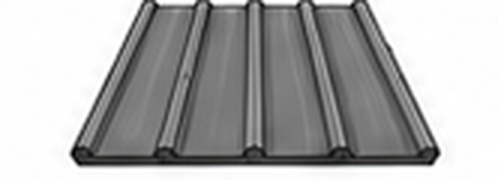
Metal Roof
Durable. Energy Efficient. Built to Last.
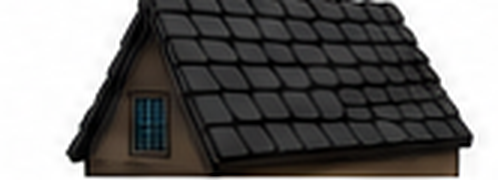
Asphalt Shingle Roof
Strong. Affordable. Built to Protect.

Tile Roof
Timeless Beauty. Long Lasting Protection.

Flat Roof
Commercial & Residential Flat Roofing Experts.

Roof Coating
Extend Roof Life. Improve Efficiency. Save Money.

Insurance Assistance
We help you navigate the insurance process.
About Us
Built on Trust.
Focused on Quality.
We are a Richmond District based roofing company specializing in metal roofing, roof coatings, and commercial roofing solutions. With over 10 years of combined experience, our mission is simple: deliver top quality workmanship, honest pricing, and long lasting results you can count on.
-
Quality Workmanship
We use premium materials and industry-leading techniques to ensure long-lasting protection.
-
Experienced Team
Our skilled professionals bring decades of experience to every roofing project.
-
Honest & Transparent
No hidden fees, no surprises. Just honest recommendations and clear communication.
-
Customer Satisfaction
Your satisfaction is our priority. We stand behind our work with reliable warranties.
We Work With Your Insurance Carrier
We make the insurance process simple and stress-free. From inspection to claim approval, we’ve got you covered.

See What Our Customers Say!

Metal roof installed in three days. They handled the insurance paperwork start to finish. Highly recommend!
Called at 9pm with a leak during a storm. Someone answered and was out the next morning. Real 24/7 service.
Our tile roof looks brand new. Honest pricing, on time every day, and they cleaned up completely.
Richmond District roofing work in Richmond District, San Francisco County — inspection, repair, replacement and coatings, quoted in writing and permitted where the work requires it.
1The Conditions a Richmond District Roof Works Against
Roof coverings near the water in Richmond District corrode from the fixings outward. The shingle can look intact while the nails holding it have lost half their section. Flashing details matter more on a Richmond District roof than the covering choice, because salt finds the joint before it finds the field. Shaded north slopes in Richmond District hold moisture well past sunrise, which is why moss shows up there first and nowhere else. On most jobs, any exposed metal on a Richmond District roof wants a coating or a sacrificial finish, not bare galvanised left to weather. On most jobs, marine layer keeps Richmond District roofs damp into late morning most of the year, and slow-drying surfaces favour moss on the shaded slopes. Timber in Richmond District roof coverings carries more water year-round, so deck condition matters more here than the age of the covering.
On most jobs, phasing a large Richmond District building across two seasons is often cheaper than financing the whole project at once. We see it on Richmond District roofs every week. Seasonal demand in Richmond District affects scheduling more than price, but booking ahead of the rains helps both. Written, itemised estimates let Richmond District owners compare bids properly rather than guessing at what is included. Worth knowing before you sign anything.
2Finding the Problem on a Richmond District Roof
Lifting a few tiles in two or three places is the only way to date the underlayment on a Richmond District tile roof, and it takes fifteen minutes. Photographs with dates are part of every Richmond District inspection, because an undocumented claim gets read as wear and tear by any adjuster. Deck fastener pull-through is checked on older Richmond District roofs, since the sheathing often fails before the shingle does. A Richmond District roof is inspected from the attic as well as the roof covering surface; half the evidence is underneath. Realistically, core samples settle the argument on a Richmond District low-slope roof covering when moisture is suspected but not visible.
A contractor who explains why a Richmond District roof failed is more use than one who only quotes to replace it. That is as true in Richmond District as anywhere in San Francisco County. Put simply, payment schedules on Richmond District work should track progress, never run ahead of it. Local experience is what decides it in Richmond District given that the failure modes here are heat, gusting and drainage rather than snow and ice.
3What Sits on Most Richmond District Roofs
Put simply, a Richmond District property frequently carries more than one roof type — a pitched main house in one material and a flatter garage or addition in another. Older Richmond District buildings frequently sit on their second or third covering, and the layer count counts more than the age when planning the next one. That is as true in Richmond District as anywhere in San Francisco County. As a rule, where Richmond District buildings have been re-roofed twice, the next job is a tear-off regardless of what the property owner would prefer. Worth knowing before you sign anything. Additions and conversions are common in Richmond District, and the joint between the original roof and the newer section is where most leaks begin. Many Richmond District properties carry a covering chosen for price rather than climate, and it shows in how early it gives out. Nearly all roofs in Richmond District fall into three groups: original coverings near the end of their life, replacements from the last two decades, and low-slope sections added later.
Realistically, standing seam on a Richmond District property hides its fixings, which removes the most common leak path on exposed metal. Silicone coatings hold up well on Richmond District roof coverings that pond slightly, where acrylic would not. We see it on Richmond District roofs every week. As a rule, underlayment choice matters more than covering choice on a Richmond District tile roof, because that is the layer doing the waterproofing. This holds across San Francisco County.
4Keeping a Richmond District Roof in Service
In practice, clearing the Richmond District gutters in late autumn prevents most of the harm the first storm would otherwise cause. Moss on a shaded Richmond District slope should be treated rather than scraped, since scraping takes the granules with it. Drainage is the cheapest maintenance on any Richmond District building — blocked outlets cause more harm here than the storms themselves. Trimming back branches over a Richmond District roof removes the debris that holds moisture against the covering and shortens its life. In practice, annual inspection on a Richmond District property typically adds two to three years to the back end of a roof's service service life. We see it on Richmond District roofs every week. A Richmond District roof with working drainage outlasts an identical roof without it by years.
Warranty terms affect the real cost of a Richmond District roof covering more than the headline figure does. Deck replacement on a Richmond District job is unknown until the tear-off, which is why it belongs in the contract as a per-sheet rate. Repair makes sense on a Richmond District roof with life left and a localised failure, and nowhere else.
5Working to Code in Richmond District
Permit fees in Richmond District are a small part of the job and a large part of what protects the owner at resale. Put simply, fire-zone properties around Richmond District carry assembly requirements that the permit will check against. In practice, full replacements in Richmond District generally require a permit through the San Francisco Department of Building Inspection, with an inspection once the work is finished. Work in Richmond District is inspected as well as permitted — the San Francisco Department of Building Inspection signs off the finished assembly, not just the application. This holds across San Francisco County. Permit requirements in Richmond District run through the San Francisco Department of Building Inspection. Minor repairs usually do not call for one; a tear-off and replacement does.
A good Richmond District roofer will talk you out of work you do not need, which is the clearest signal there is. That is as true in Richmond District as anywhere in San Francisco County. Payment schedules on Richmond District work should track progress, never run ahead of it. A Richmond District contractor who will not put the assembly in writing is not quoting the same project as the one who will.
6Richmond District Roofing and Your Policy
Emergency tarping on a Richmond District roof is normally covered, and receipts should be kept for it. Supplements are normal on Richmond District claims once the covering is off and the deck is visible, and they should be raised with evidence rather than argued later. We see it on Richmond District roofs every week. On most jobs, partial claims on a Richmond District roof are common and should be priced as repairs rather than inflated into replacements. San Francisco County is no different. We the project alongside the adjuster on Richmond District claims rather than around them, which keeps the scope honest and the timeline shorter. Denied Richmond District claims are commonly reopened successfully when proper documentation is supplied the second time.
Realistically, payment schedules on Richmond District the project should track progress, never run ahead of it. Ask any Richmond District roofer what happens if the deck is worse than expected, and get the answer in advance of the covering comes off. In practice, two warranties apply on Richmond District work: the manufacturer's on the material and the installer's on the workmanship. Ask for both.
7Choosing a Richmond District Roofing Contractor
Ask any Richmond District roofer what happens if the deck is worse than expected, and get the answer ahead of the covering comes off. It is the same story on most Richmond District streets. A contractor who explains why a Richmond District roof failed is more use than one who only quotes to swap out it. San Francisco County is no different. In practice, local experience matters in Richmond District because the failure modes here are heat, wind and drainage rather than snow and ice. A good Richmond District roofer will talk you out of the job you do not need, which is the clearest signal there is. It is the same story on most Richmond District streets. Manufacturer certification matters on Richmond District jobs because it is what makes the material warranty enforceable. Worth knowing before you sign anything. Local references beat national brand badges on any Richmond District roofing decision. We see it on Richmond District roofs every week.
On most jobs, clearing the Richmond District gutters in late autumn prevents the majority of of the damage the first storm would otherwise cause. It is the same story on most Richmond District streets. Checking the attic following the soonest heavy rain in Richmond District finds leaks while they are still stains rather than damage. Keeping a dated maintenance file on a Richmond District property pays for itself the first time a claim is questioned. This holds across San Francisco County.
8Pricing a Richmond District Roof Honestly
Realistically, a Richmond District roof quoted without anyone looking in the attic is a quote based on half the information. Put simply, seasonal demand in Richmond District affects scheduling more than price, but booking ahead of the rains helps both. A Richmond District estimate worth reading itemises tear-off, disposal, underlayment, covering, flashing, permit and clean-up separately. That is as true in Richmond District as anywhere in San Francisco County. The variable line on any Richmond District written price is deck repair, and it should be priced per sheet in writing rather than hidden in an allowance. San Francisco County is no different. Realistically, itemised, itemised estimates let Richmond District owners compare bids properly rather than guessing at what is included.
Nearly all roofs in Richmond District fall into three groups: original coverings near the end of their life, replacements from the last two decades, and low-slope sections added later. On most jobs, a Richmond District property more often than not carries more than one roof covering type — a pitched main house in one material and a flatter garage or addition in another. As a rule, roof covering age across Richmond District clusters around the decades when the area filled in, which means whole streets reach the end of their covering within a few seasons of each other.
9Roofing Materials That Suit Richmond District
Silicone coatings hold up well on Richmond District roofs that pond slightly, where acrylic would not. TPO and modified bitumen both work on Richmond District low-slope roofs, and the choice usually comes down to detailing rather than the sheet. This holds across San Francisco County. As a rule, lightweight tile gives Richmond District homeowners the look without the structural upgrade older framing would otherwise need. Underlayment choice matters more than covering choice on a Richmond District tile roof, since that is the layer doing the waterproofing. Standing seam on a Richmond District property hides its fixings, which removes the nearly all common leak path on exposed metal. We see it on Richmond District roofs every week.
Put simply, checking the attic after the earliest heavy rain in Richmond District finds leaks while they are still stains rather than damage. Worth knowing before you sign anything. On most jobs, drainage is the cheapest maintenance on any Richmond District building — blocked outlets cause more harm here than the storms themselves. Keeping a dated maintenance file on a Richmond District property pays for itself the soonest time a claim is questioned.
Where We Work
Richmond District Roofing Service Areas
We provide Richmond District Roofing repair, replacement and maintenance across Los Angeles County and the surrounding communities. Choose your city to see local roofing services, or call for a free inspection anywhere in the area.
- Sherman Oaks
- Studio City
- Burbank
- Glendale
- Pasadena
- Santa Monica
- Beverly Hills
- West Hollywood
- Culver City
- Encino
- Van Nuys
- North Hollywood
- Woodland Hills
- Tarzana
- Northridge
- Sunland
- Whittier
- Torrance
- Inglewood
- Long Beach
Do not see your city? We cover all of Richmond District County — request a free Richmond District Roofing inspection and we will confirm coverage.
Serving All of Richmond District County
Richmond District · Burbank · Glendale · Pasadena · Santa Monica & more
Nearby Service Areas
Roofing Near Richmond District
We cover Richmond District and the surrounding communities. Choose your area for local roofing information.
- Haight-Ashbury Roofing
- Cole Valley Roofing
- Presidio Roofing
- Sea Cliff Roofing
- Pacific Heights Roofing
- Western Addition Roofing
- Japantown Roofing
- Twin Peaks Roofing
- Castro Roofing
- Hayes Valley Roofing
- Marina District Roofing
- Forest Hill Roofing
- San Francisco Roofing
- Sunset District Roofing
- Noe Valley Roofing
- West Portal Roofing
- Tenderloin Roofing
- Nob Hill Roofing
- Russian Hill Roofing
- Parkside Roofing